
Some Guardians chase ability spam. Others want every trigger pull to hit harder. Players who fall into the second camp have a familiar answer in Destiny 2: The Path of Burning Steps. Why would a Titan settle for slow, defensive play when a pair of Exotic boots can turn Solar takedowns into a weapon-damage ramp? That is the question this build answers, and it remains a useful template to discuss in 2026, even as the sandbox around it has shifted.
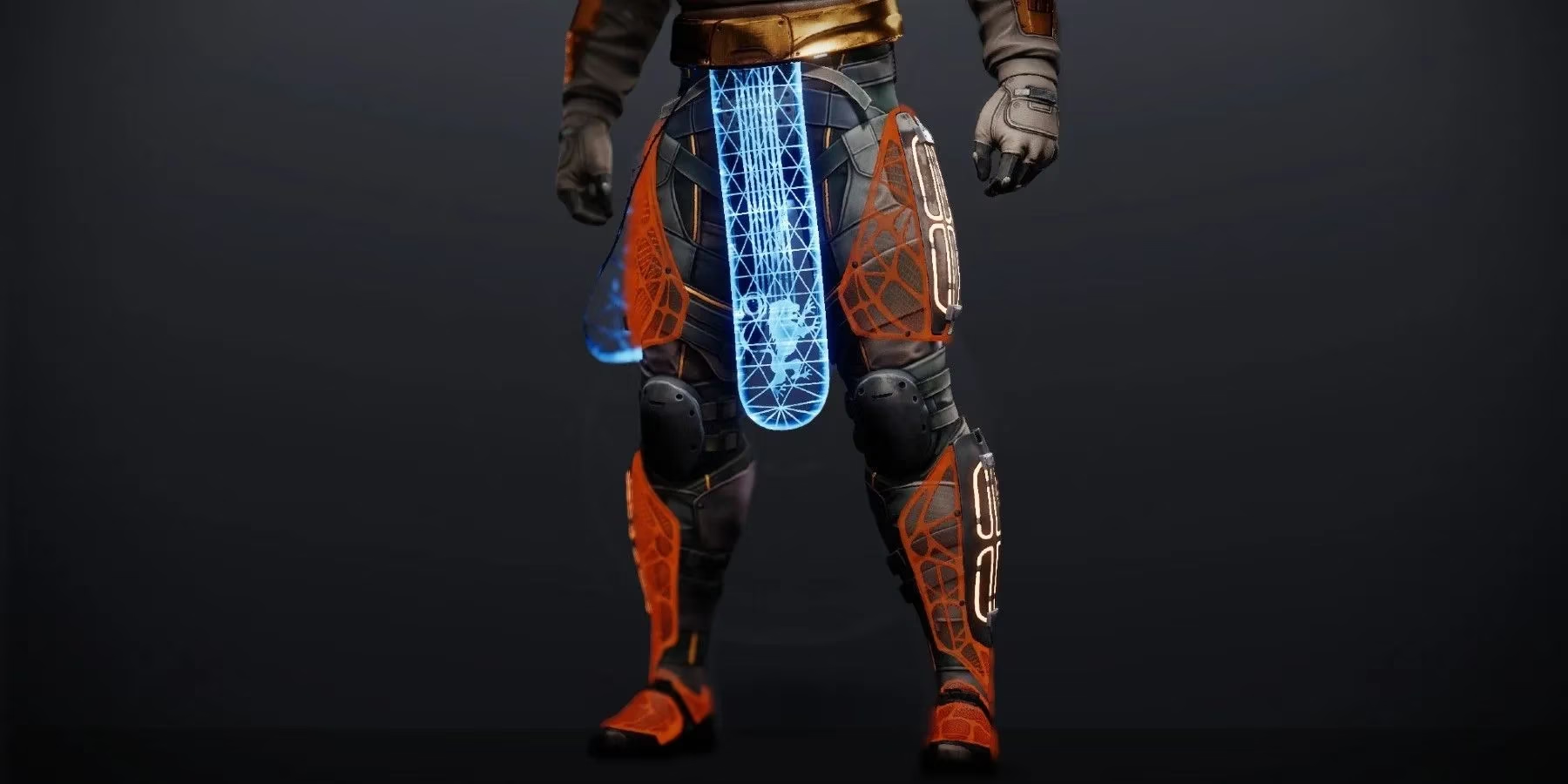
The Core Idea: Kill With Solar, Shoot Harder
The Path of Burning Steps is built around its intrinsic trait, Firewalker. Solar final blows periodically grant an escalating bonus to weapon damage. That effect stacks four times. It begins at a 20% damage boost and climbs by 5% per additional stack, ending at 35%. The bonus is temporary, but it is easy to feel when it is running. Players who keep Solar kills flowing can turn ordinary weapon damage into something much more threatening.
The Exotic does more than feed damage. A Titan wearing The Path of Burning Steps is harder to freeze, and the armor can create a Solar energy burst around the wearer without dealing self-damage. That combination gives the build a strange but effective identity: it is aggressive, loud, and surprisingly resilient when players lean into Solar final blows.
Why does that matter? Because this is not a build that asks players to hide behind a barricade and wait. It rewards pushing into the fight, deleting a weak enemy with a Solar weapon or ability, and then using the boosted damage to keep the chain going.
Why It Feels Different From Loreley Splendor
Loreley Splendor Helm is often associated with a more defensive Titan style. It can make a player feel nearly unkillable while restoration is active, and it encourages careful positioning. The Path of Burning Steps goes the other way. It lets players be as aggressive as they want, and it pays them back for that aggression.
That does not mean the build is reckless by default. It means the reward structure changes. Instead of asking, how long can this Titan survive in one spot, the better question is, how quickly can this Titan turn a crowded room into stacked weapon damage? Against PvE bosses surrounded by easy-to-kill enemies, the answer can be very quickly. The same is true in endgame PvE activities where regular enemies have more health and the damage ramp matters more than it would in a basic strike.
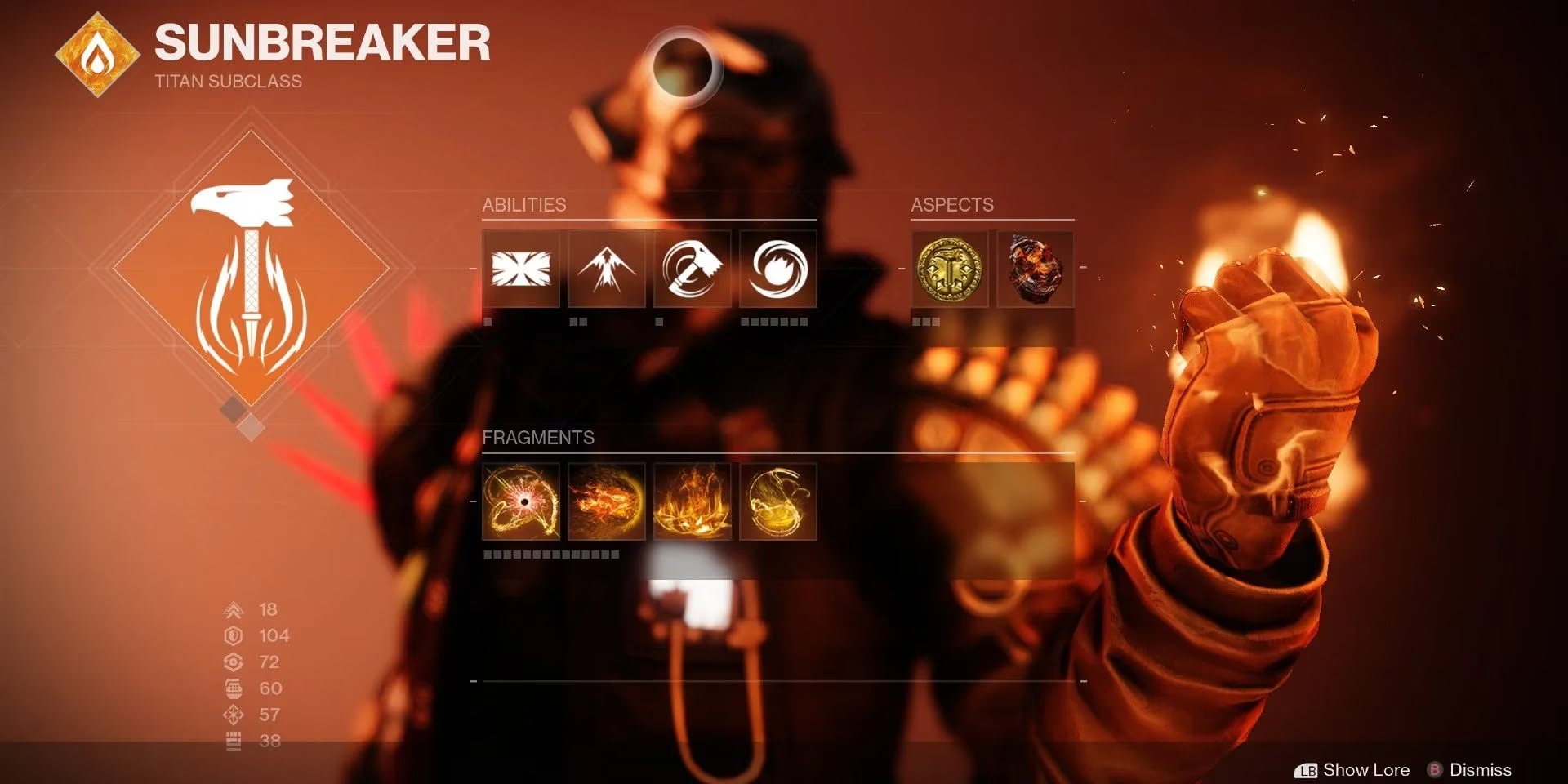
The Engine: Elemental Wells and High-Energy Fire
Two armor mods make this Solar Titan build far more powerful: Elemental Charge and High-Energy Fire. Elemental Charge applies Charged with Light when a Titan picks up an Elemental Well. High-Energy Fire increases weapon damage while Charged with Light is active. After an enemy is defeated, the Charged with Light effect is consumed, but another Elemental Well can instantly reactivate it.
That is where Melee Wellmaker and the Throwing Hammer come in. A player can create the Elemental Wells needed to keep High-Energy Fire active, then use the boosted weapon damage to clear enemies and feed the next cycle. It is a simple loop, but it is effective: make a Well, become Charged with Light, kill something with bonus damage, repeat.
What happens when Firewalker, Charged with Light, and High-Energy Fire all line up? The Titan is no longer just shooting a gun. The Titan is operating a damage engine with several overlapping bonuses, and every Solar final blow helps keep the machine running.
Aspects, Fragments, and Weapons
| Build Piece | Choice | Why It Works |
|---|---|---|
| Aspect | Roaring Flames | Solar ability or ignition final blows increase Solar ability damage up to three stacks. While active, uncharged melee attacks apply scorch and deal Solar damage. |
| Aspect | Sol Invictus | Solar ability final blows, defeating scorched targets, and Hammer of Sol impacts create Sunspots. Sunspots improve ability recharge, slow Super drain, apply scorch, and grant restoration. |
| Fragment | Ember of Singeing | Class ability recharges faster when targets are scorched. |
| Fragment | Ember of Solace | Radiant and restoration effects last longer. |
| Fragment | Ember of Torches | Powered melee attacks against combatants make the player and nearby allies radiant. |
| Fragment | Ember of Empyrean | Solar weapon or ability final blows extend restoration and radiant duration. It subtracts 10 Resilience, which is fine if the character is already above the cap. |
| Melee | Throwing Hammer | Throw from range, pick up the hammer to fully recharge melee energy, and gain cure after hitting a target. |
| Grenade | Fusion | A reliable Solar grenade for damage and scorch setups. |
Weapons with Incandescent are excellent here. The Calus Mini-Tool SMG is a classic example because it spreads scorch and helps trigger the Solar interactions that the build depends on. Players who want a simple loop can use Solar weapons to create final blows, feed Firewalker, and let the ability damage from Roaring Flames and Sol Invictus handle the rest.
Armor Mods and Stat Priorities
A practical mod package looks like this:
-
Hands-On for Super energy from melee kills.
-
Focusing Strike for class ability energy from melee hits.
-
Melee Wellmaker to create Elemental Wells from melee final blows.
-
Bountiful Wells to increase Well generation.
-
Well of Life for extra healing.
-
Classy Restoration for restoration on class ability use.
-
Elemental Charge to gain Charged with Light from Wells.
-
High-Energy Fire to convert Charged with Light into weapon damage.
-
Resilience mods as the priority.
-
Discipline mods after Resilience is maxed out.
In 2026, players should treat this as a classic template and check the current mod and sandbox rules before copying it exactly. Destiny 2 has changed many systems over the years, and some pieces may behave differently than they did in the Solar 3.0 era. The logic, however, is easy to understand: generate Wells, gain Charged with Light, boost weapon damage, and keep Solar final blows coming.
How to Play It
Is this a one-button boss killer? No. It is a momentum build. Players should start with weaker enemies, secure Solar final blows, and let Firewalker and High-Energy Fire stack up before turning that damage toward tougher targets. The Throwing Hammer is not just a melee tool; it is a Well generator and a cure source when picked up. Sunspots from Sol Invictus add restoration and scorch, which keeps the aggressive play from becoming suicidal.
Does it still reward aggressive play? Yes. That is the whole point. The build asks players to move, kill, and keep the chain alive. It is at its best when a Titan is surrounded by targets that can feed the next stack, the next Well, and the next burst of weapon damage.
Final Verdict
The Path of Burning Steps remains a memorable Solar Titan Exotic because it turns weapon damage into a reward for good Solar gameplay. It is not the flashiest build in Destiny 2, and it is not the most defensive. But for players who like the idea of a Titan that gets more dangerous with every Solar takedown, it is still a satisfying template. The question is not whether the build can work. The better question is whether the player can keep the chain alive long enough to make it shine.
According to coverage from Eurogamer, strong Destiny 2 builds tend to stand out when they convert routine add-clear into reliable pressure on majors and bosses, which is exactly why a Path of Burning Steps setup remains relevant: it rewards Solar kill chaining, pairs naturally with Incandescent weapons, and supports an aggressive Titan playstyle that values momentum over passive safety.